Summer Weather Risks and How to Prepare
Australian summers are beautiful but unpredictable. Climate trends indicate a clear rise in severe weather patterns across the country, with fast-moving storms, intense rainfall, extended heatwaves and bushfires all becoming more frequent. This shift means the summer season now demands a more proactive approach to preparation.
Why Summer Weather Risks Are Increasing
Australia’s climate data shows a consistent increase in storm intensity, a longer and more volatile bushfire season, and a higher likelihood of flash flooding. Severe hail, strong winds and sustained heat are placing greater pressure on buildings and infrastructure. Insurers are adjusting their modelling as a result, and many are reassessing risk ratings ahead of the new year.
The Most Common Summer Claims
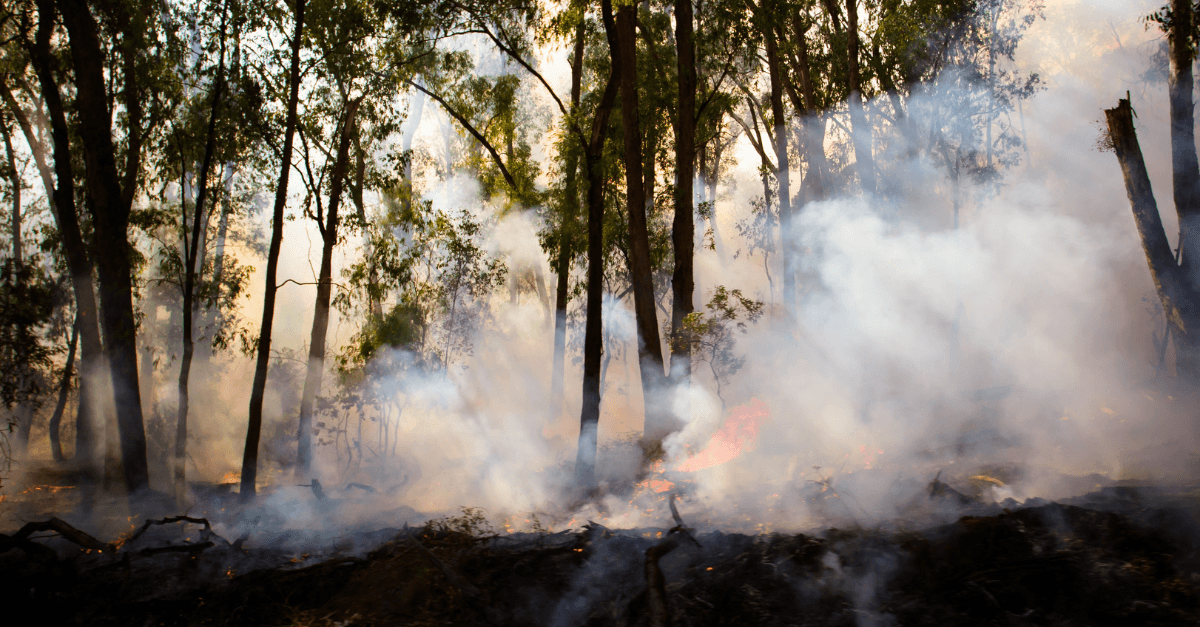
During summer, severe weather often leads to an increase in damage to homes and businesses. Storm activity can impact roofs and gutters, heavy rainfall may lead to water ingress, and blocked drains can contribute to localised flooding. In bushfire-prone areas, hot and dry conditions heighten the chance of fire-related losses. Prolonged heat can place extra pressure on electrical systems and equipment, sometimes leading to faults or downtime for homes and workplaces. Businesses may also face operational disruptions when extreme weather affects power supply or transport networks.
Recognising these seasonal risks helps homeowners and businesses prepare before conditions intensify.
How Homeowners Can Prepare
Clean gutters, drains and downpipes.
Trim trees near your home.
Store outdoor furniture and loose items before storms.
Check your home and contents sums insured.
Review bushfire cover if you live near vegetation.
Prepare an emergency plan for your family.
How Businesses Can Prepare
Back up all critical systems and data.
Inspect roofs, skylights and building seals.
Review supplier arrangements in case of transport delays.
Confirm that machinery and equipment maintenance is up to date.
Check your business interruption cover has kept up with your growth to ensure adequate limits.
Strengthening Resilience
Weather events are becoming increasingly difficult to predict and often more severe. Preparing early helps protect people, property and business continuity. Even the smallest preventative steps can make a meaningful difference during Australia’s peak risk season.
Australian summers are beautiful but unpredictable. Climate trends indicate a clear rise in severe weather patterns across the country, with fast-moving storms, intense rainfall, extended heatwaves and bushfires all becoming more frequent. This shift means the summer season now demands a more proactive approach to preparation.
Why Summer Weather Risks Are Increasing
Australia’s climate data shows a consistent increase in storm intensity, a longer and more volatile bushfire season, and a higher likelihood of flash flooding. Severe hail, strong winds and sustained heat are placing greater pressure on buildings and infrastructure. Insurers are adjusting their modelling as a result, and many are reassessing risk ratings ahead of the new year.
The Most Common Summer Claims
During summer, severe weather often leads to an increase in damage to homes and businesses. Storm activity can impact roofs and gutters, heavy rainfall may lead to water ingress, and blocked drains can contribute to localised flooding. In bushfire-prone areas, hot and dry conditions heighten the chance of fire-related losses. Prolonged heat can place extra pressure on electrical systems and equipment, sometimes leading to faults or downtime for homes and workplaces. Businesses may also face operational disruptions when extreme weather affects power supply or transport networks.
Recognising these seasonal risks helps homeowners and businesses prepare before conditions intensify.
How Homeowners Can Prepare
Clean gutters, drains and downpipes.
Trim trees near your home.
Store outdoor furniture and loose items before storms.
Check your home and contents sums insured.
Review bushfire cover if you live near vegetation.
Prepare an emergency plan for your family.
How Businesses Can Prepare
Back up all critical systems and data.
Inspect roofs, skylights and building seals.
Review supplier arrangements in case of transport delays.
Confirm that machinery and equipment maintenance is up to date.
Check your business interruption cover has kept up with your growth to ensure adequate limits.
Strengthening Resilience
Weather events are becoming increasingly difficult to predict and often more severe. Preparing early helps protect people, property and business continuity. Even the smallest preventative steps can make a meaningful difference during Australia’s peak risk season.