

Seeing Risk Earlier: How Thermal Imaging Is Being Used In Insurance
By Nikitta Albury
We are seeing a growing number of requests from insurers for thermal imaging inspection reports, with some insurers now requiring these inspections to be carried out as a condition of issuing terms or quotations for certain commercial and strata properties. This trend reflects an increased focus on proactive risk identification, particularly in relation to electrical fire risk.
So, what is thermal imaging and how does it assist in risk management?
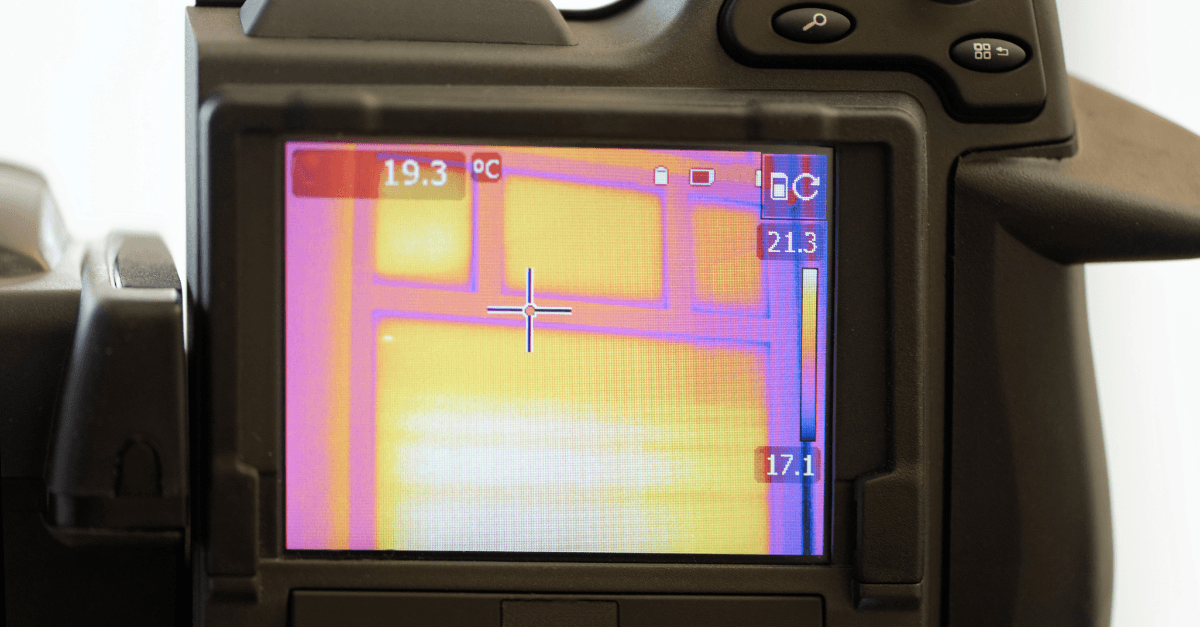
Thermal imaging inspections are generally considered a positive risk-management initiative, particularly when they form part of a broader, ongoing maintenance and risk-management programme for a building. These inspections use infrared technology to detect abnormal heat patterns that may indicate developing faults within electrical or mechanical systems - issues that are often not visible during standard visual inspections.
From an underwriting perspective, thermal imaging reports can be a useful tool in identifying potential risks at an early stage. Early detection may assist in reducing the likelihood of equipment failure, fire, or other loss events, particularly in buildings with ageing infrastructure or a prior claims history.
While the completion of a thermal imaging inspection does not automatically result in a reduction in insurance premiums or excesses, the information obtained may be taken into account at the time of underwriter review. This is especially relevant where the inspection helps address a known issue at the property, demonstrates proactive risk management, or responds to insurer concerns arising from past claims.
What Does Good Practice Look Like?
If an Owners Corporation or property owner chooses to proceed with thermal imaging inspections, the following would generally be considered good practice:
Inspections are carried out by suitably qualified and experienced contractors
A focus on electrical infrastructure and critical common property services, particularly in higher-risk areas
Inspections undertaken on a periodic basis (often annually), noting that frequency may vary depending on the building’s age, size and complexity
Clear written reports outlining findings, recommended actions, and confirmation of any remedial works completed
For underwriting purposes, copies of inspection reports and supporting documentation confirming that identified issues have been appropriately rectified can be provided for review.
Additional Risk-Management Measures to Consider
Thermal imaging is most effective when integrated into a broader risk-management framework, rather than treated as a standalone exercise. Additional measures that support improved risk outcomes include:
Regular electrical and fire safety inspections and maintenance
Prompt investigation and rectification of defects identified through inspections
Documented preventative maintenance programmes
Ongoing monitoring and management of water-ingress risks
Clear and consistent record-keeping of all risk-management activities
Insurance outcomes will always depend on the individual property and its overall risk profile, and regular maintenance alone does not guarantee reduced premiums or lower excesses. However, a consistent, proactive and well-documented approach to risk management can improve a building’s risk profile over time and contribute to a stronger claims history - factors that may support more favourable insurance outcomes in the long term.
Engaging early with your insurance broker can help ensure inspections are targeted, outcomes are clearly documented, and any improvements are positioned effectively with insurers at renewal.
Nikitta Albury brings over 12 years of specialised broking experience, recognised for her sharp sector knowledge and ability to navigate complex strata and property environments with clarity and precision.
We are seeing a growing number of requests from insurers for thermal imaging inspection reports, with some insurers now requiring these inspections to be carried out as a condition of issuing terms or quotations for certain commercial and strata properties. This trend reflects an increased focus on proactive risk identification, particularly in relation to electrical fire risk.
So, what is thermal imaging and how does it assist in risk management?
Thermal imaging inspections are generally considered a positive risk-management initiative, particularly when they form part of a broader, ongoing maintenance and risk-management programme for a building. These inspections use infrared technology to detect abnormal heat patterns that may indicate developing faults within electrical or mechanical systems - issues that are often not visible during standard visual inspections.
From an underwriting perspective, thermal imaging reports can be a useful tool in identifying potential risks at an early stage. Early detection may assist in reducing the likelihood of equipment failure, fire, or other loss events, particularly in buildings with ageing infrastructure or a prior claims history.
While the completion of a thermal imaging inspection does not automatically result in a reduction in insurance premiums or excesses, the information obtained may be taken into account at the time of underwriter review. This is especially relevant where the inspection helps address a known issue at the property, demonstrates proactive risk management, or responds to insurer concerns arising from past claims.
What Does Good Practice Look Like?
If an Owners Corporation or property owner chooses to proceed with thermal imaging inspections, the following would generally be considered good practice:
Inspections are carried out by suitably qualified and experienced contractors
A focus on electrical infrastructure and critical common property services, particularly in higher-risk areas
Inspections undertaken on a periodic basis (often annually), noting that frequency may vary depending on the building’s age, size and complexity
Clear written reports outlining findings, recommended actions, and confirmation of any remedial works completed
For underwriting purposes, copies of inspection reports and supporting documentation confirming that identified issues have been appropriately rectified can be provided for review.
Additional Risk-Management Measures to Consider
Thermal imaging is most effective when integrated into a broader risk-management framework, rather than treated as a standalone exercise. Additional measures that support improved risk outcomes include:
Regular electrical and fire safety inspections and maintenance
Prompt investigation and rectification of defects identified through inspections
Documented preventative maintenance programmes
Ongoing monitoring and management of water-ingress risks
Clear and consistent record-keeping of all risk-management activities
Insurance outcomes will always depend on the individual property and its overall risk profile, and regular maintenance alone does not guarantee reduced premiums or lower excesses. However, a consistent, proactive and well-documented approach to risk management can improve a building’s risk profile over time and contribute to a stronger claims history - factors that may support more favourable insurance outcomes in the long term.
Engaging early with your insurance broker can help ensure inspections are targeted, outcomes are clearly documented, and any improvements are positioned effectively with insurers at renewal.
Nikitta Albury brings over 12 years of specialised broking experience, recognised for her sharp sector knowledge and ability to navigate complex strata and property environments with clarity and precision.
We are seeing a growing number of requests from insurers for thermal imaging inspection reports, with some insurers now requiring these inspections to be carried out as a condition of issuing terms or quotations for certain commercial and strata properties. This trend reflects an increased focus on proactive risk identification, particularly in relation to electrical fire risk.
So, what is thermal imaging and how does it assist in risk management?
Thermal imaging inspections are generally considered a positive risk-management initiative, particularly when they form part of a broader, ongoing maintenance and risk-management programme for a building. These inspections use infrared technology to detect abnormal heat patterns that may indicate developing faults within electrical or mechanical systems - issues that are often not visible during standard visual inspections.
From an underwriting perspective, thermal imaging reports can be a useful tool in identifying potential risks at an early stage. Early detection may assist in reducing the likelihood of equipment failure, fire, or other loss events, particularly in buildings with ageing infrastructure or a prior claims history.
While the completion of a thermal imaging inspection does not automatically result in a reduction in insurance premiums or excesses, the information obtained may be taken into account at the time of underwriter review. This is especially relevant where the inspection helps address a known issue at the property, demonstrates proactive risk management, or responds to insurer concerns arising from past claims.
What Does Good Practice Look Like?
If an Owners Corporation or property owner chooses to proceed with thermal imaging inspections, the following would generally be considered good practice:
Inspections are carried out by suitably qualified and experienced contractors
A focus on electrical infrastructure and critical common property services, particularly in higher-risk areas
Inspections undertaken on a periodic basis (often annually), noting that frequency may vary depending on the building’s age, size and complexity
Clear written reports outlining findings, recommended actions, and confirmation of any remedial works completed
For underwriting purposes, copies of inspection reports and supporting documentation confirming that identified issues have been appropriately rectified can be provided for review.
Additional Risk-Management Measures to Consider
Thermal imaging is most effective when integrated into a broader risk-management framework, rather than treated as a standalone exercise. Additional measures that support improved risk outcomes include:
Regular electrical and fire safety inspections and maintenance
Prompt investigation and rectification of defects identified through inspections
Documented preventative maintenance programmes
Ongoing monitoring and management of water-ingress risks
Clear and consistent record-keeping of all risk-management activities
Insurance outcomes will always depend on the individual property and its overall risk profile, and regular maintenance alone does not guarantee reduced premiums or lower excesses. However, a consistent, proactive and well-documented approach to risk management can improve a building’s risk profile over time and contribute to a stronger claims history - factors that may support more favourable insurance outcomes in the long term.
Engaging early with your insurance broker can help ensure inspections are targeted, outcomes are clearly documented, and any improvements are positioned effectively with insurers at renewal.
Nikitta Albury brings over 12 years of specialised broking experience, recognised for her sharp sector knowledge and ability to navigate complex strata and property environments with clarity and precision.